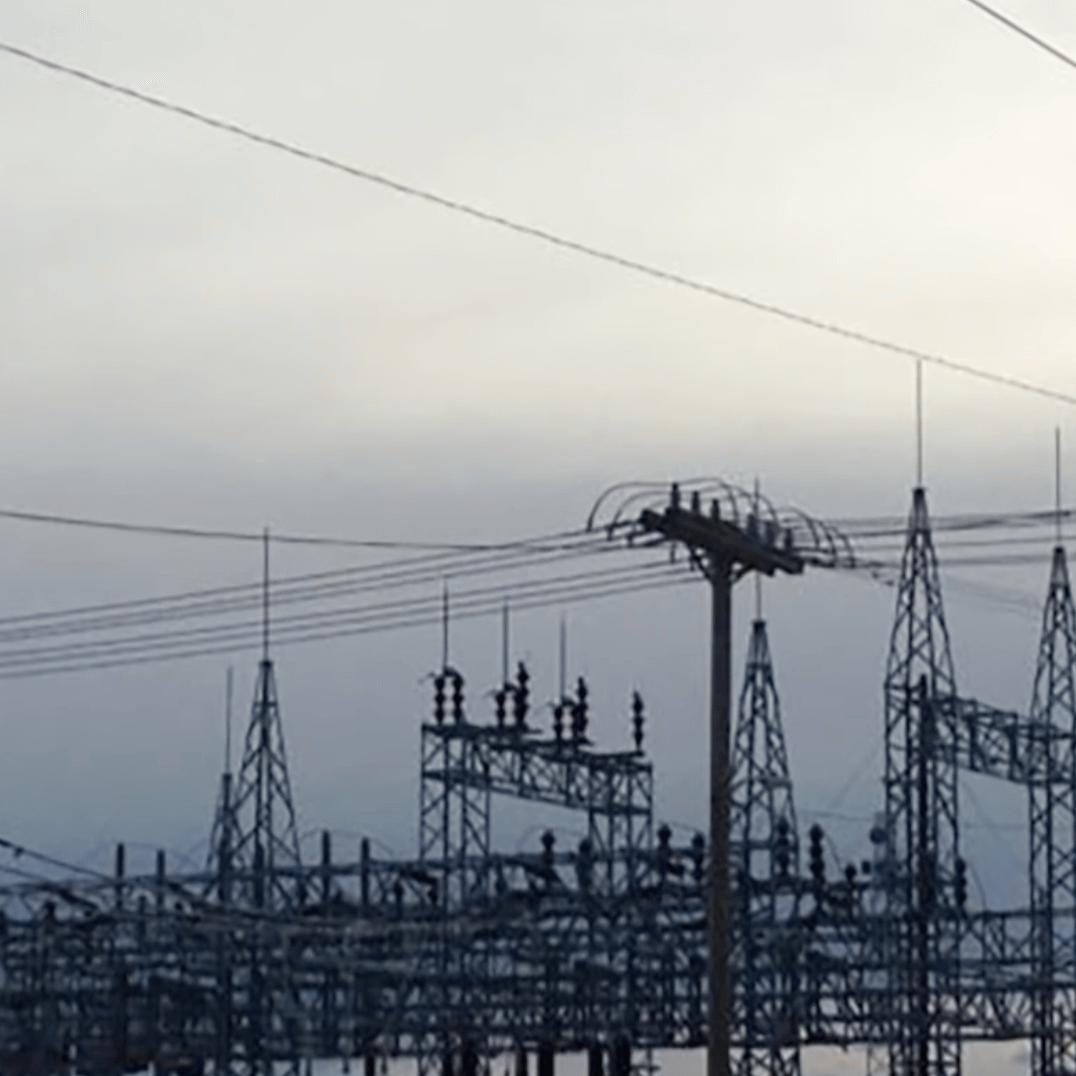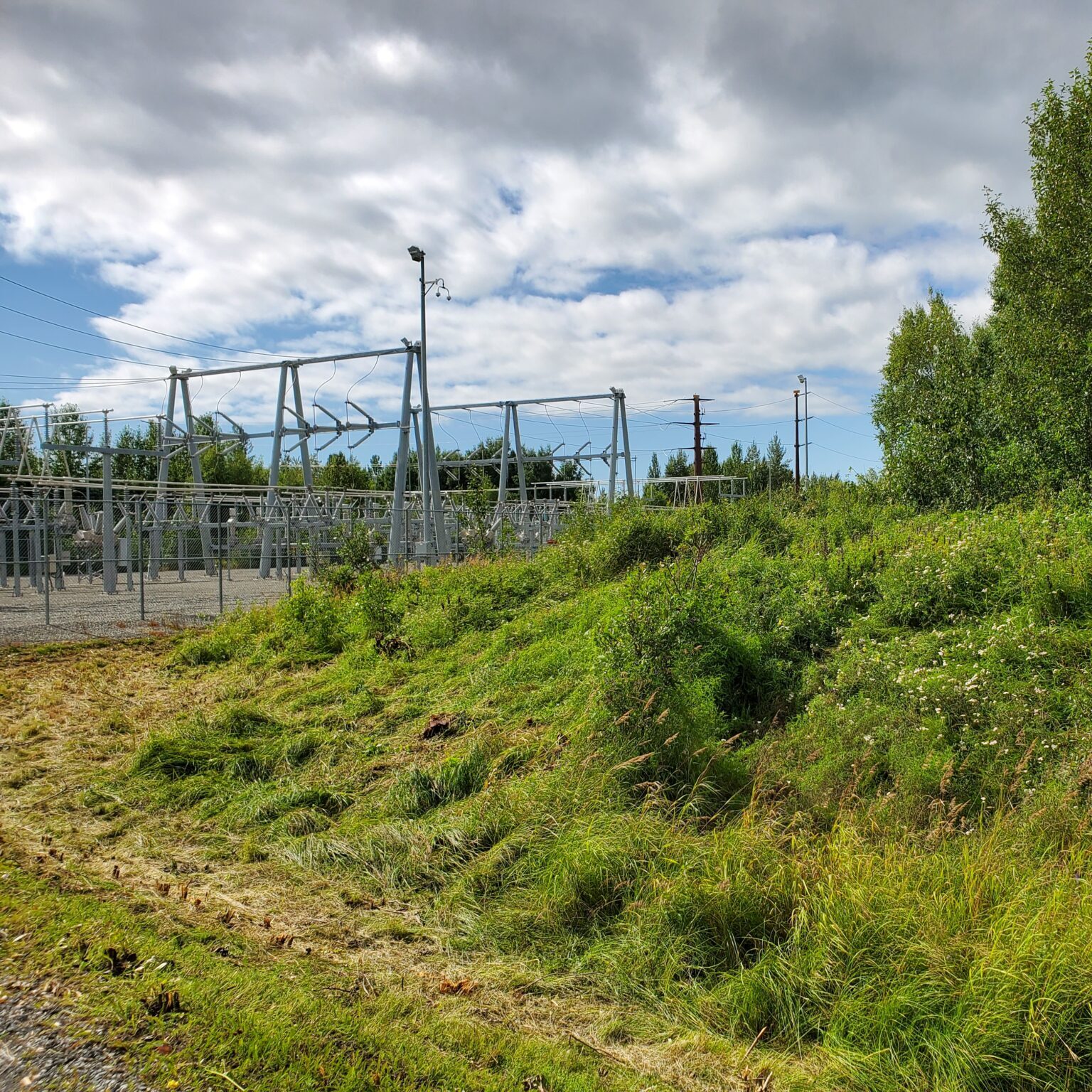
Situated in the Arctic where the Kobuk, Noatak and Selawik rivers meet on Baldwin Peninsula, Kotzebue has built something rare: a diversified grid moving away from diesel in favor of primarily using alternative energy. Kotzebue is a city of about 3,000 people and the regional hub for about a dozen surrounding villages, with no road connections to the rest of Alaska. Fuel has to be barged in, which means diesel price swings hit families and businesses hard.

For Chad Nordlum, Energy Manager for the Native Village of Kotzebue, energy is the foundation everything else rests on. “Solving the energy problem is a key first step in tackling issues like growing food all year-round.” In a subsistence community, energy costs reach into every part of daily life. From the cost of gasoline for a snowmachine to the power to run a freezer stocked from a season’s hunt—energy and food security are deeply intertwined.
Those costs are already hitting hard. At the pump, residents can pay upwards of $8.00 per gallon, with prices driven even higher by the ongoing conflict with Iran. Bulk fuel offers some relief, but not much: Kotzebue Electric Association (KEA) is buying roughly half of this year’s fuel supply at $4.87 per gallon, up sharply from $3.33 last year. If prices don’t ease, KEA is bracing for a cost increase of more than 50% for the rest of their diesel. KEA has been building out the infrastructure to reduce diesel dependency since 1997, with three 66 KW wind turbines — some of the earliest in Alaska. The system has since grown to include wind, solar and battery storage, with 3,000 KW of renewable capacity now displacing 300,000 to 400,000 gallons of diesel annually. At current fuel prices, renewables are on track to offset more than $1.5 million in fuel costs this year.

Reliability has improved alongside the savings. “Our batteries have prevented hundreds of power outages, and they’re critical to keeping the lights on in town,” said KEA consultant and former engineer Matt Bergan. In a subarctic climate like Kotzebue, relying on only diesel can be deadly. Extreme weather conditions and a remote location could severely delay repairs after a power outage, putting critical infrastructure like heating systems and water pumps at risk.
Kotzebue’s climate, often cited as a concern for renewables in Alaska, has proved to be an asset. “While we have 24 hours of sunlight in July, we actually get more solar off the reflecting snow in April,” said Nordlum. Summer’s long daylight hours let panels run well above average output to offset winter consumption, and cool spring temperatures with snow reflection push efficiency higher still. The Arctic, it turns out, suits solar.

But the ambition goes further than keeping the grid stable. Overbuilding renewable capacity — generating more than the grid immediately needs — opens the door to tackling heating costs, which in rural Alaska run roughly four times what a household pays for electricity. Excess power fed into electric boilers can displace the fuel oil used to heat homes and businesses. Kotzebue’s Maniilaq Health Center has operated on a wind-to-heat system since 2014, saving tens of thousands of gallons of heating fuel each year. Now, Kotzebue Electric Association intends to expand beneficial electrification programs, aiming for participating members to save 25% on their heating oil bill and reduce their gas purchases by 50%.
“We have a huge amount of local money leaving the community every year to buy diesel fuel,” said KEA CEO Tom Atkinson. “Supporting the Native Village of Kotzebue in developing renewables so those dollars stay here — that’s crucial for our local economy.” A 700 KW tribal solar project, backed by a DOE grant, is set to break ground in summer 2027, building a revenue stream directly for the Tribe.
****************************
This story was written and produced by New Energy Alaska. Photos courtesy of the Renewable Energy Alaska Project.
September 2026