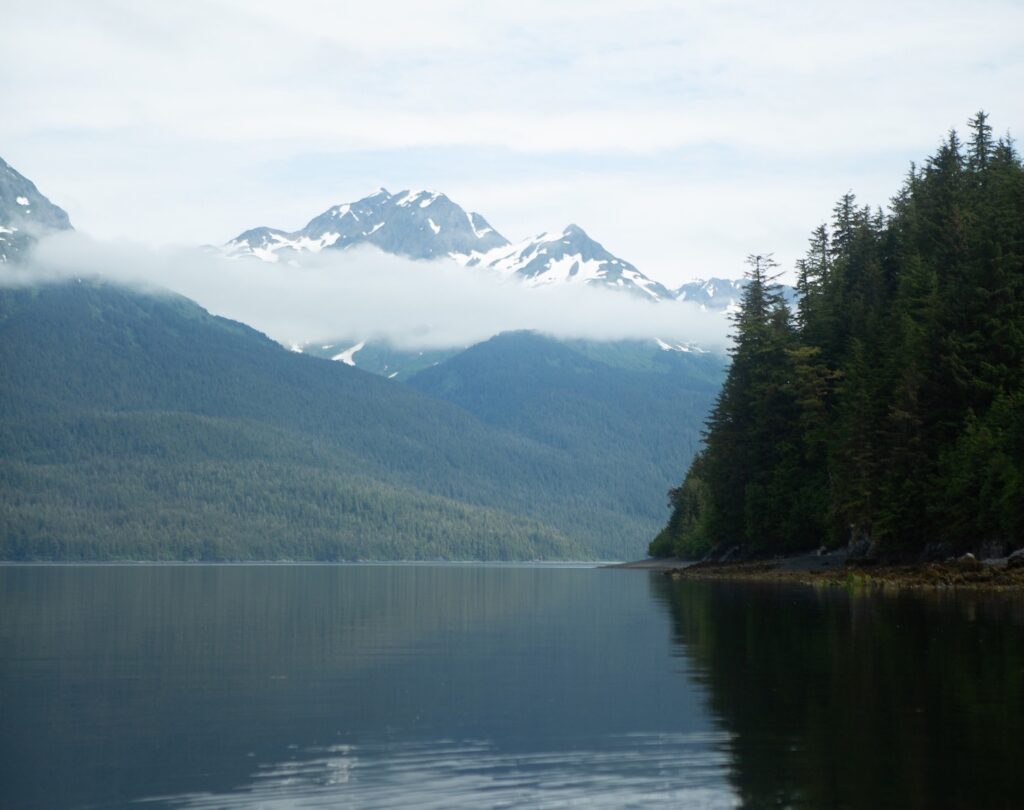
Cordova sits on the east shore of Prince William Sound, backed by the Chugach Mountains. About 2,600 people live there year-round, with the population roughly doubling each summer when the Copper River salmon fishery kicks into gear. There are no roads in or out, so diesel is barged in. Like other islanded communities, this makes Cordova especially vulnerable to changes in energy prices or supply. For a small town where business margins are already tight, and household costs are high, a spike in diesel prices or a weather-related outage can be deeply disruptive.
Cordova Electric Cooperative, the community’s member-owned utility since 1978, has spent years responding to that reality by investing steadily in hydropower and energy storage. For its community and businesses, those efforts are paying off.
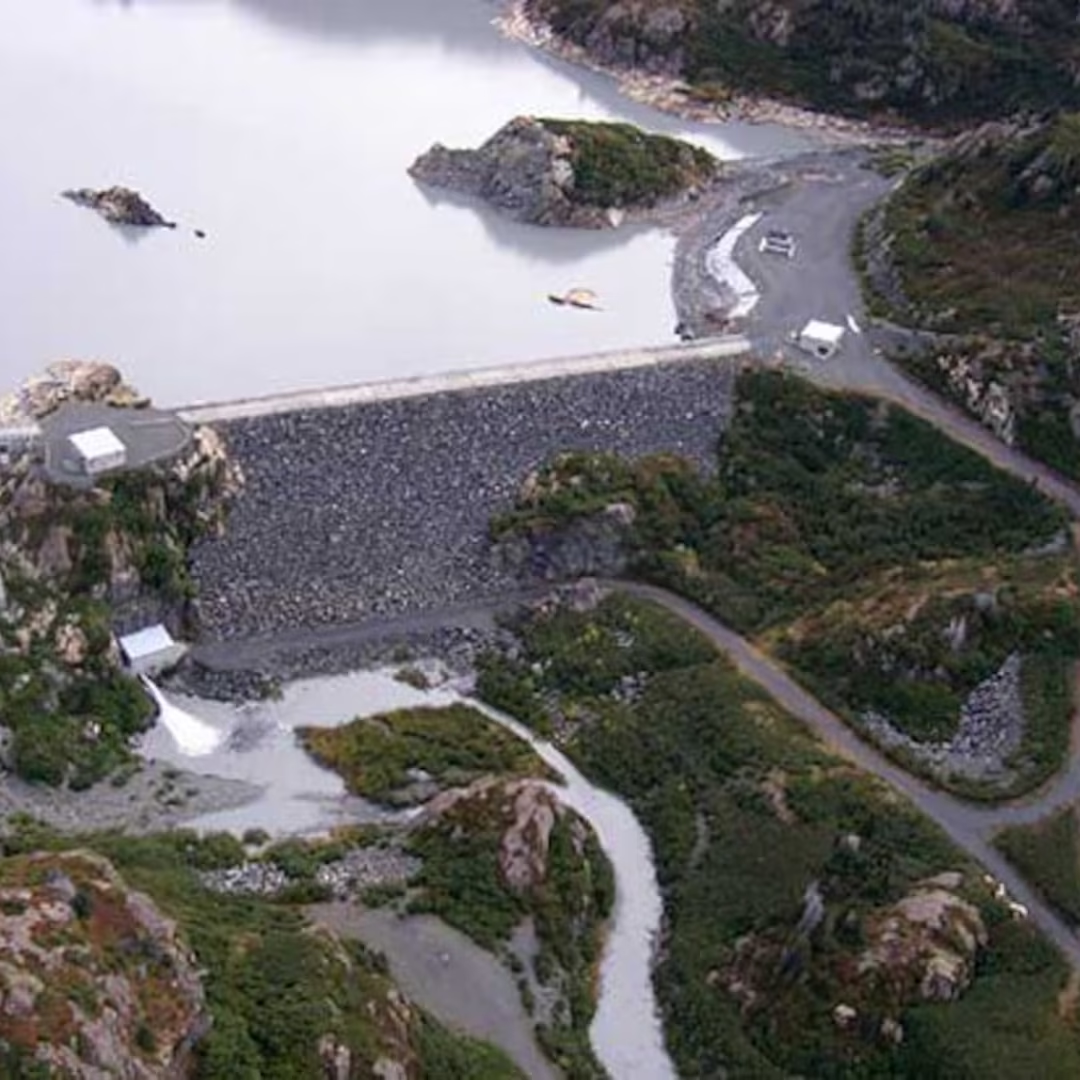
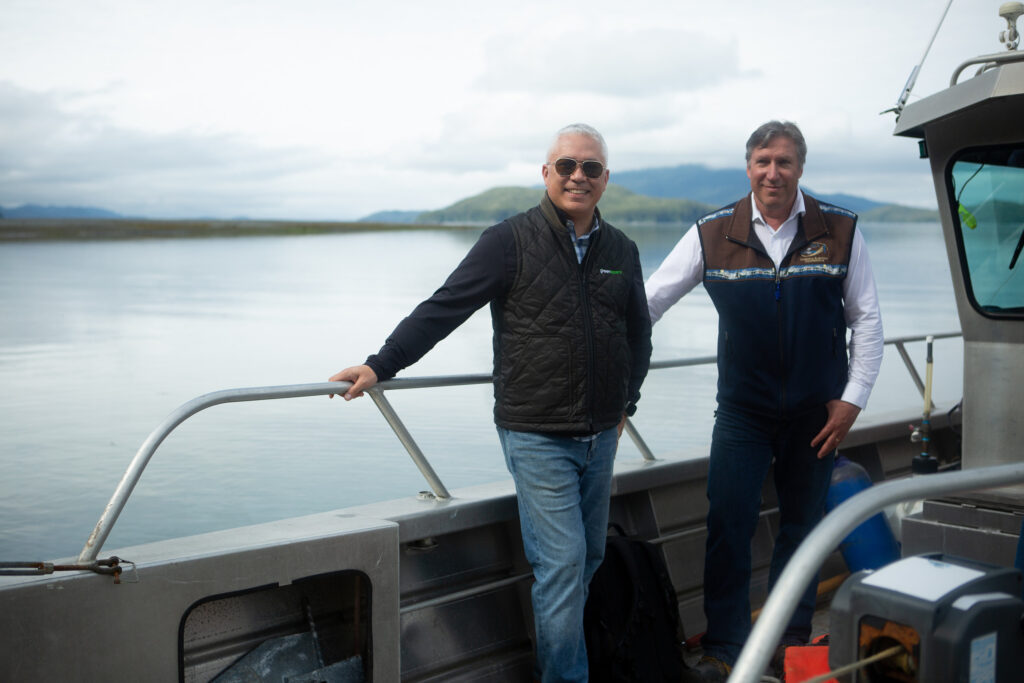
For Clay Koplin, CEO of Cordova Electric Cooperative, adding local clean power into Cordova’s energy system has been a process of steady, incremental work. “We’ve been able to make small, low-cost modifications to keep increasing our percentage of hydropower, outstripping our load,” he says. “To get more and more production out of them, with the same amount of water.” Hydropower now provides around 75% of the community’s electricity at roughly $0.07/kWh, compared to $0.60/kWh for diesel. An energy storage system installed on the shore of Eyak Lake to support the Power Creek Hydroelectric Project in 2019 liberated significant hydropower, saving an estimated 50,000 gallons of diesel in its first year alone. By 2025, overall diesel consumption had been cut in half, down to 327,000 gallons.
But this journey hasn’t always been easy. “When many people look at Cordova, they see the success story of a town being run entirely on hydropower, with incredibly efficient power plants and a massive reduction in diesel use. But there have been many times we had to back up and realize we weren’t on the right technology path,” Clay said. “It’s been critical to avoid the mindset that once renewables are added to the grid, you can kind of forget about them. We’re constantly trying to improve our efficiency and output at the lowest possible cost.”
For local businesses, this shift is tangible. Jennifer Park, owner and founder of local clothing brand Copper River Fleece, recalls how energy costs have shaped business decisions over the years. Unreliable power and high diesel prices were costs business owners had to plan around. With the current energy mix, she says, that’s changed: they “no longer have to factor the high cost of outages into their plans, making the decision to invest in our community much easier.”
Cordova’s surplus power is now attracting new kinds of investment. Greensparc, a cloud computing company founded by Alaskan Sam Enoka, chose Cordova for a specific reason: the town produces more clean power than it can use. Its run-of-the-river hydropower systems generate surplus electricity during summer months that would otherwise go to waste. Greensparc’s model turns that stranded power into stable revenue by siting data centers in communities with excess renewable capacity. Its pilot data center at Humpback Creek Hydroelectric Plant, installed in 2024, runs entirely on hydropower. Building on this success, the second data center Greensparc is siting in Cordova is projected to increase CEC’s revenue by roughly 15%, with construction planned for this summer.
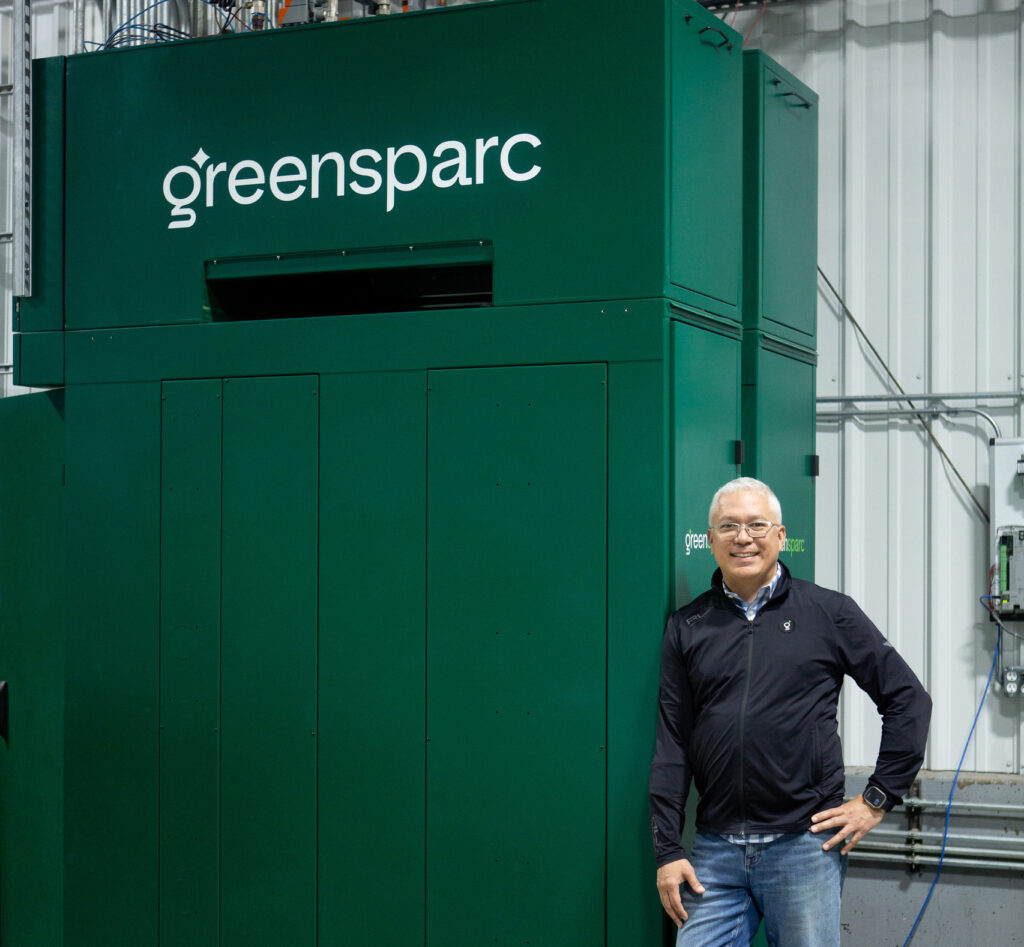
Enoka sees Cordova as a proof of concept for remote communities worldwide. By installing advanced processing units in a remote fishing village, Greensparc is demonstrating that rural communities can participate in what Enoka calls “arguably the hottest commodity market in the history of humanity.” If it works here, he argues, it can work anywhere, opening a pathway for small utilities into the global AI economy.
Koplin’s take on how Cordova got here is straightforward. “Don’t let people tell you what you can’t do,” he says. “If I had believed that, we wouldn’t have done a fraction of the things we’ve done. We push forward as if things will work, until we’ve proven they can’t.”
****************************
This story was written and produced by New Energy Alaska.
Photos by Chelsea Haisman, courtesy of Alaska Business Magazine and Greensparc.
June 2026